
concrete machine

Concrete Machinery: Essential Equipment for Construction Projects
Concrete machinery encompasses a diverse range of specialized equipment designed to facilitate the production, transportation, placement, and finishing of concrete in construction projects. These machines play a critical role in enhancing efficiency, ensuring quality, and reducing labor intensity. Below is a detailed introduction to the core types of concrete machinery:
- Concrete Batching Plant
As the “heart” of concrete production, a concrete batching plant is used to mix concrete ingredients (cement, sand, gravel, water, and admixtures) in precise proportions. It consists of a material storage system, weighing system, mixing system, and control system. According to the mixing method, it can be divided into dry-batch plants (mixing dry ingredients first, then adding water) and wet-batch plants (mixing all ingredients with water directly). Batching plants are widely used in large-scale construction projects such as high-rise buildings, highways, and bridges due to their high mixing efficiency and accurate proportioning.
- Concrete Mixer
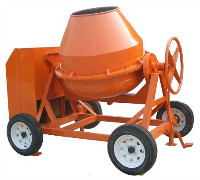
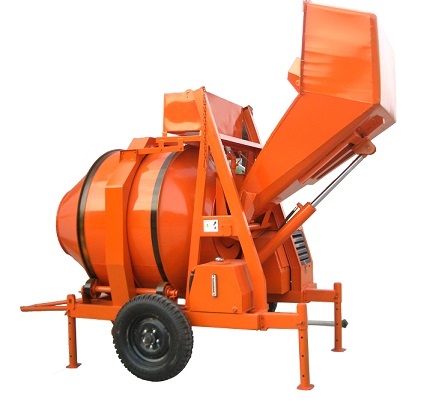
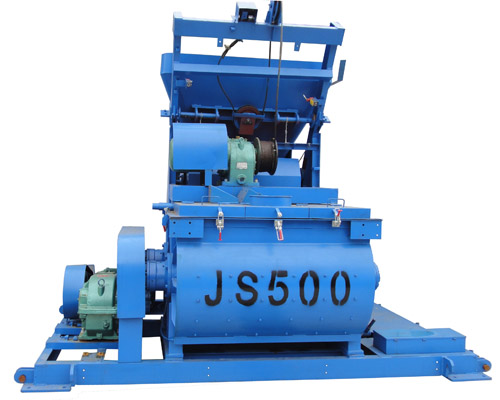
Concrete mixers are equipment for homogenizing concrete mixtures. They are classified into two main types based on working principles:
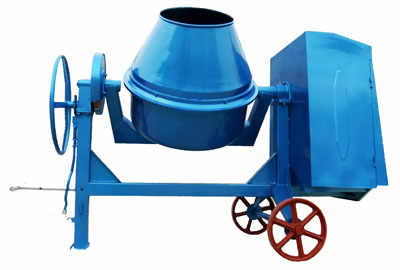
- Tilting Drum Concrete Mixer: The drum tilts to discharge concrete, suitable for small to medium-scale projects. It is easy to operate and maintain, making it popular in residential construction and road repair.
- Shaft Mixer: Equipped with rotating shafts with blades, it achieves intense mixing through high-speed rotation. It is suitable for large-scale projects requiring high-quality concrete, such as dams and tunnels.
- Concrete Transport Equipment
Concrete transport equipment ensures that fresh concrete is delivered to the construction site in a timely manner without segregation or setting. Common types include:
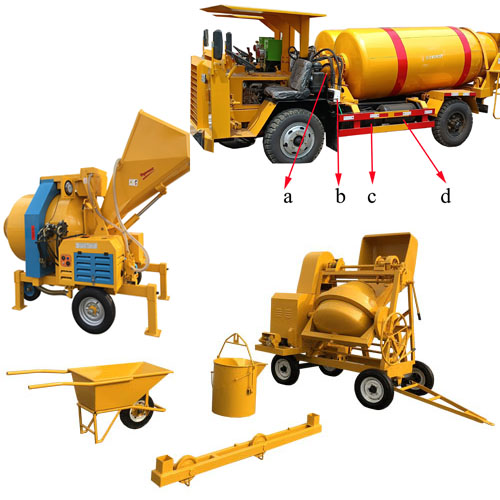
- Concrete Mixer Truck: Also known as a cement mixer truck, it has a rotating drum to keep concrete in a homogeneous state during transportation. It is the most widely used transport equipment for long-distance concrete delivery.
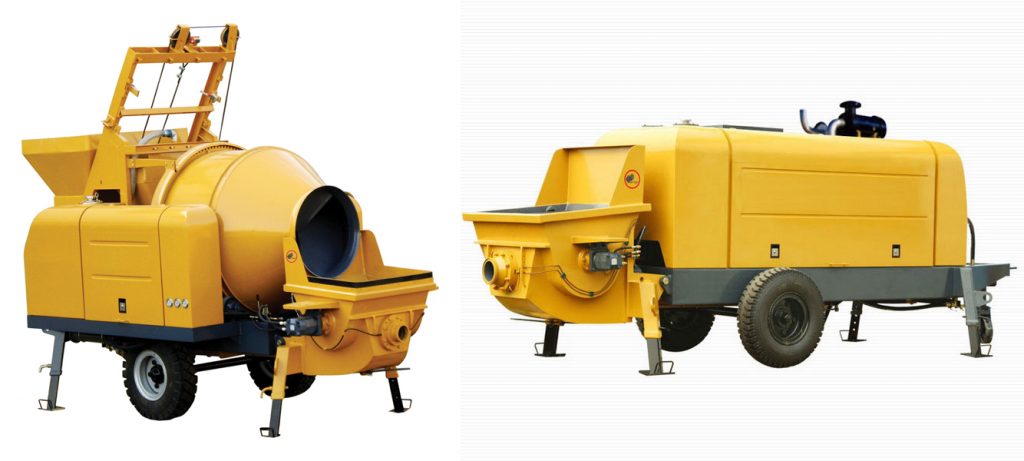
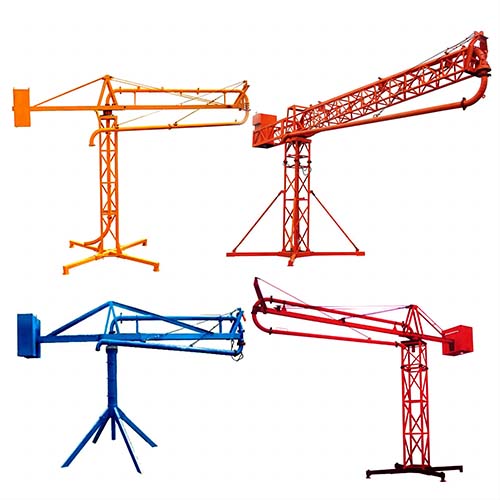
- Concrete Pump: Transports concrete through pipelines using pressure. It is divided into trailer-mounted concrete pumps and truck-mounted concrete pumps (boom pumps), which are suitable for high-rise building construction and narrow construction sites where mixer trucks cannot reach.
- Concrete Placement Equipment
Concrete placement equipment is used to pour concrete into formworks accurately and evenly. Key equipment includes:
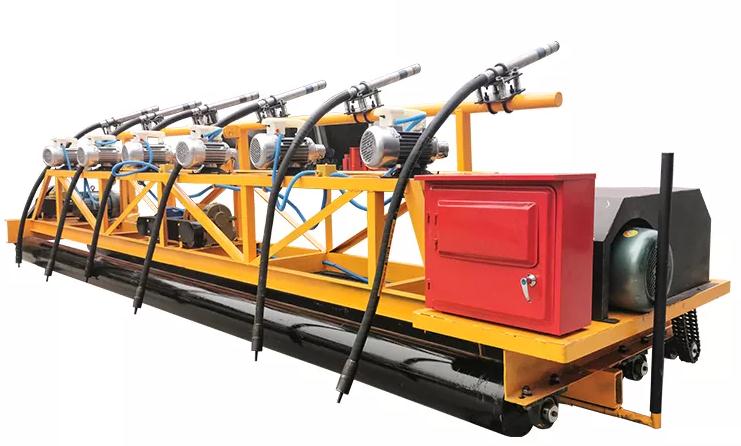
- Concrete Screed: Levels freshly poured concrete to ensure uniform thickness and initial flatness. Laser screeds, equipped with laser positioning technology, can achieve high-precision leveling, widely used in large-area floor construction.
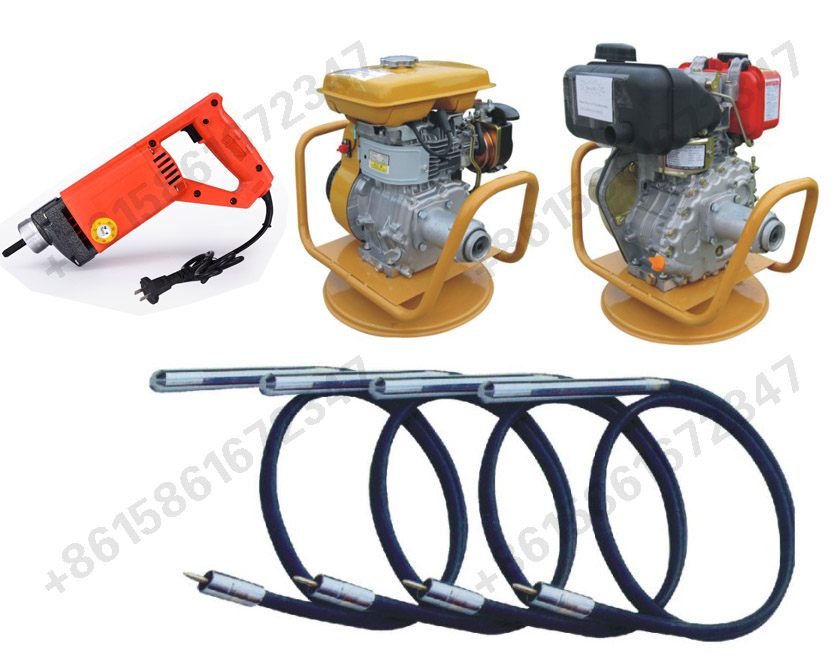
- Concrete Vibrator: Eliminates air bubbles in concrete, compacts the mixture, and improves concrete density. It includes internal vibrators (inserted into concrete), surface vibrators (placed on the surface), and formwork vibrators (attached to formworks).
- Concrete Finishing Equipment
Concrete finishing equipment is used to process the surface of concrete after placement to achieve the required smoothness and density. Main types are:
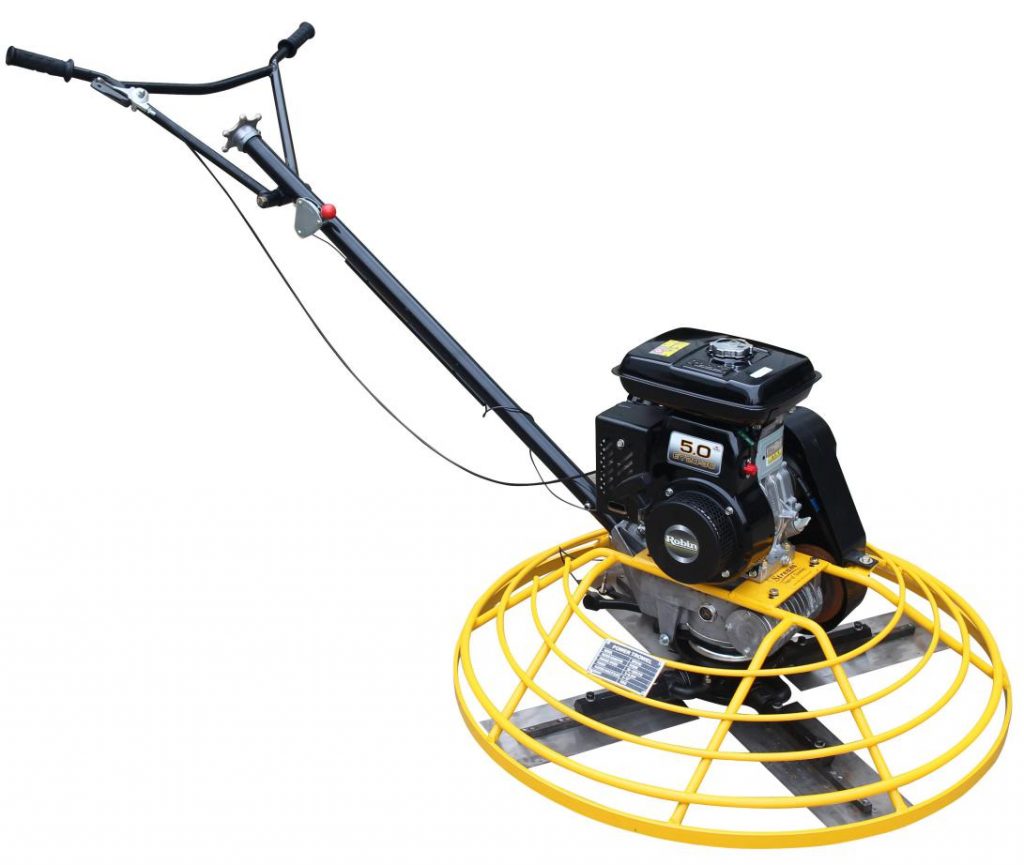
- Power Trowel: Polishes the concrete surface after initial setting to eliminate scratches and bubbles, creating a smooth and hard finish. It is available in walk-behind and ride-on models for different construction scales.
- Concrete Floating Machine: Used for preliminary finishing, it flattens the surface and prepares it for subsequent troweling.
- Concrete Curing Equipment: Maintains appropriate temperature and humidity for concrete during curing to ensure strength development. Common equipment includes curing blankets, sprinkler systems, and curing agents sprayers.
- Special Concrete Machinery
In addition to the above core equipment, there are specialized concrete machinery for specific construction needs:
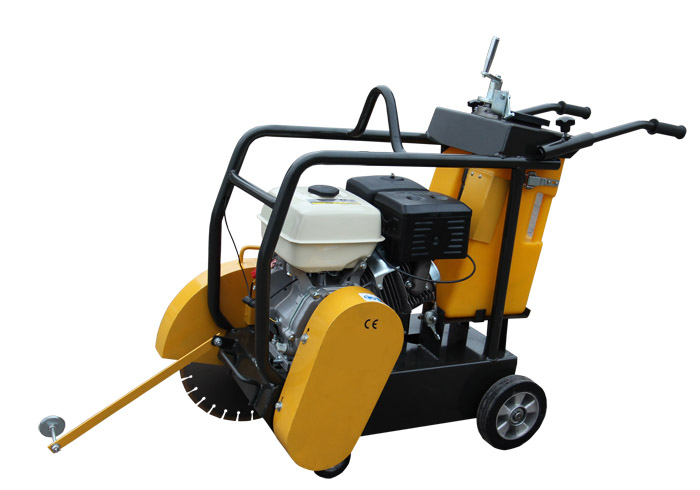
- Concrete Cutting Machine: Cuts cured concrete into desired shapes and sizes, such as wall saws and floor saws, used for post-construction modification and expansion.
- Concrete Demolition Machine: Breaks down old concrete structures, including jackhammers and hydraulic breakers, widely used in demolition projects.
Concrete machinery continues to evolve with technological advancements, with trends toward intelligence, energy efficiency, and automation. Choosing the right concrete machinery according to project requirements is crucial for improving construction quality and efficiency.